 Santos Futebol Clube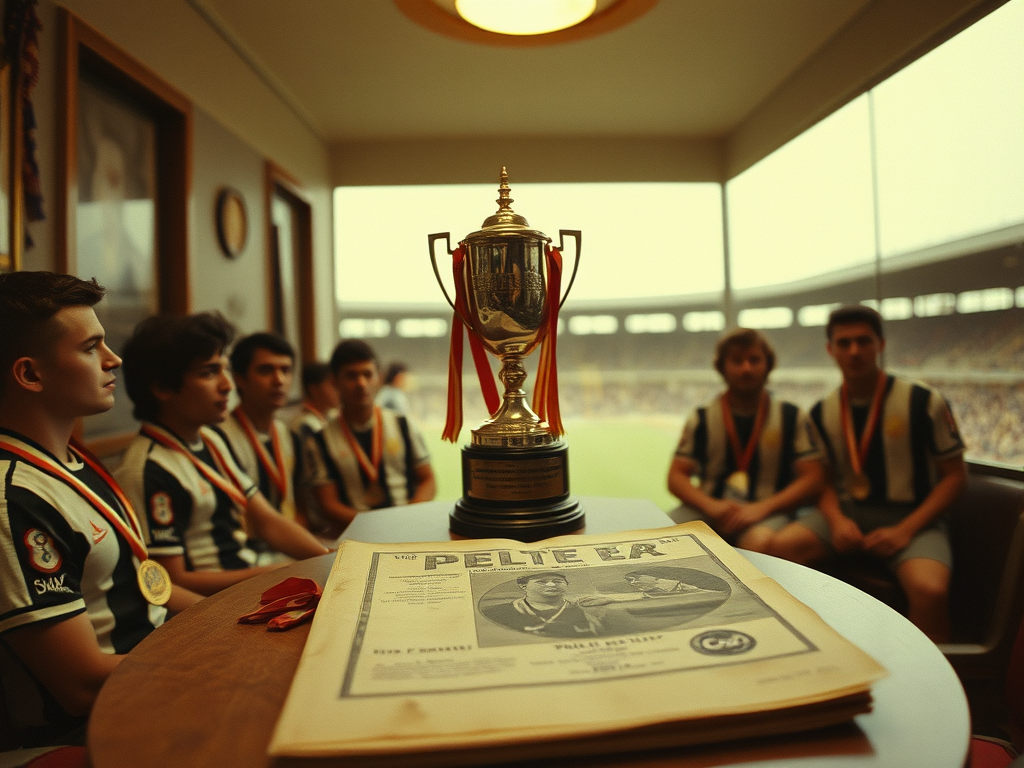
In 1962, Santos Futebol Clube was in the midst of a golden era, with Pelé as its undisputed star. The team had already won its first Copa Libertadores the previous year, but the quest for a second title was marked by an intense and thrilling campaign. The final of that year’s Libertadores was contested over two matches against Peñarol from Uruguay, a team known for its strength and grit.
The first match, held at the Estadio Centenario in Montevideo, ended in a 0-0 draw, leaving the decision wide open for the second encounter. Anticipation was high, and the anxiety of Santos fans was palpable. The decisive game took place on June 3, 1962, at the Pacaembu Stadium in São Paulo, where the greatness of Santos would be put to the test.
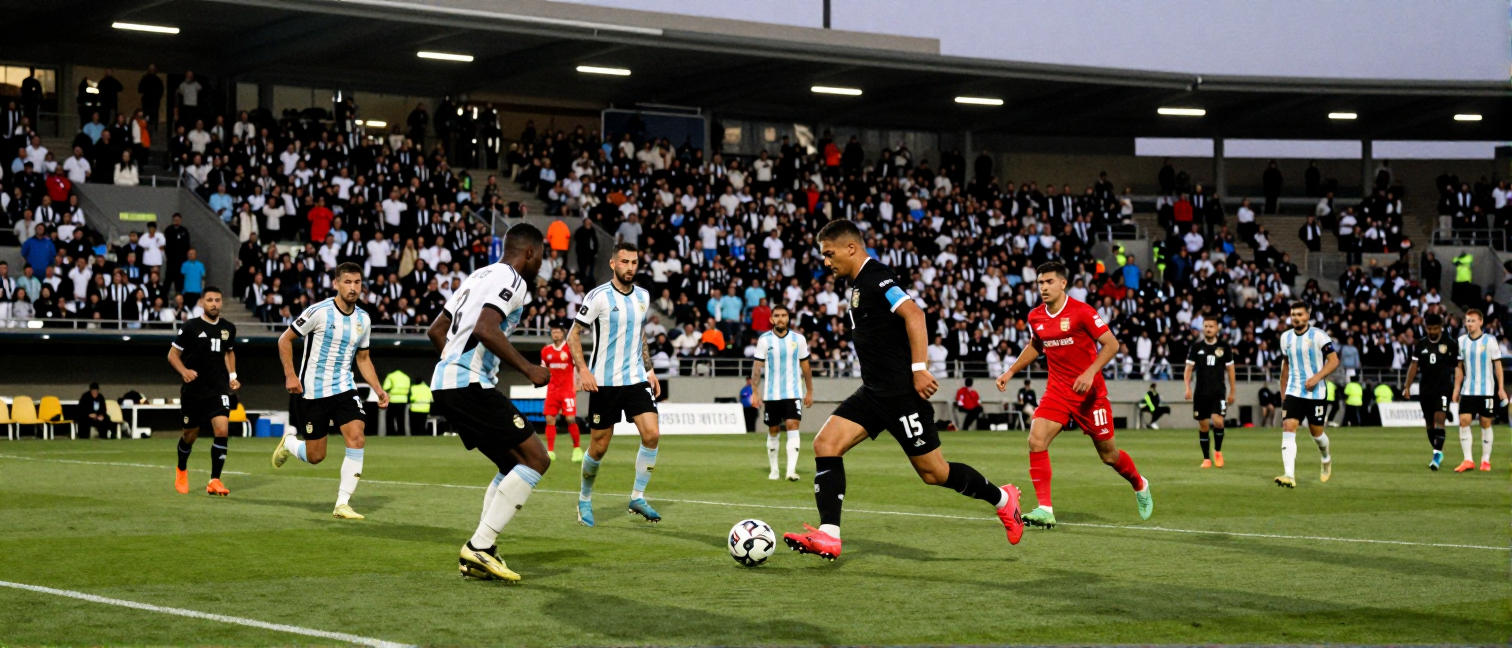
In the second match, after a goalless first half, the moment everyone was waiting for arrived: Pelé, who had already established himself as one of the best players in the world, received the ball in midfield. With his characteristic skill, he dribbled past two defenders and, with a precise touch, sent the ball into the back of the net. This goal not only gave Santos a crucial lead but also became a symbol of the genius of the King of Football.
Santos won the match 3-0, securing their second Copa Libertadores title. Pelé's goal was a testament to his talent and the strength of the team, further solidifying the club's status as one of the greatest in history. For fans, this moment transcended the mere act of scoring a goal; it was a celebration of Santista identity and love for the Peixe.
The triumph of 1962 not only secured a place in the annals of football history but also inspired generations of players and supporters. The legacy of Pelé and Santos remains alive, and moments like that goal in the Libertadores final are fondly and proudly remembered. Thus, Santos Futebol Clube is not just a team; it is an inseparable part of the history of Brazilian and world football.